


Napheri
(na-pear-ee)
In Georgian, the word 'Napheri' describes the process of taking care of something and expressing your care through your passion and love. Levan Kbiltsetskhlashvili, his wife, and their five children are the beating heart of their winery. Tucked in a little village called Navazi just east of Tbilisi, you can find their cellar. It is surrounded by beautiful flower gardens, with their small vineyard close by.
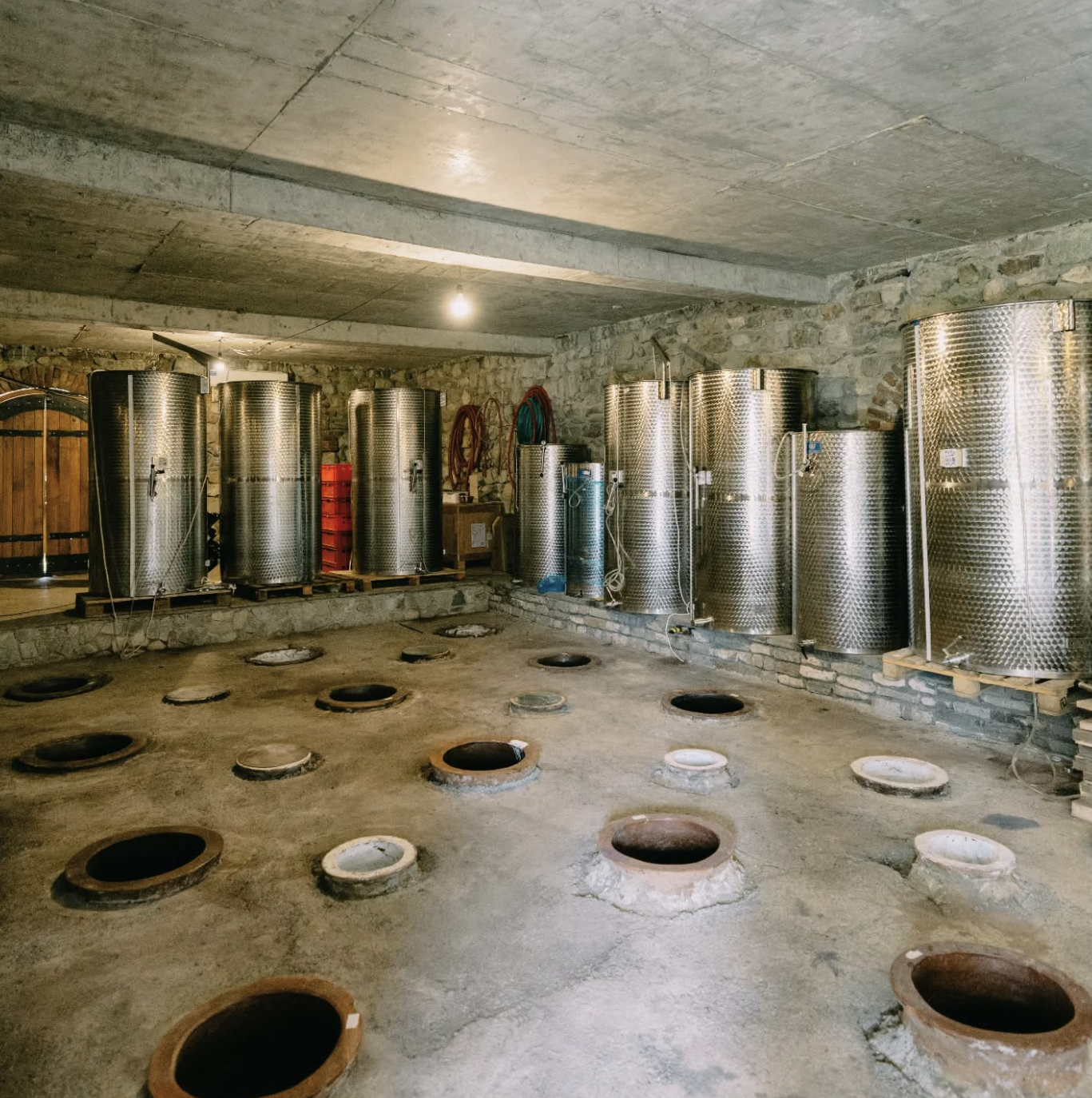
As they are a fairly newer winery, they combine their winemaking from their own grapes as well as grapes sourced from a few of their neighbouring farmers. Like many Georgian winemakers, Levan's devotion to reviving his village's lost viticulture is what took him down this path: 'As a child, I loved to go to the top of the village, where the ruins of an ancient tower still stand. Among these ruins, there was very old winemaking equipment, and the village elders would tell me about the purpose of the tower and the equipment. It was from them that I learned that our village was once a great center of winemaking. This childhood impression left an indelible mark on me, and I decided that when I grew up, I would definitely continue this lost tradition. Today, I am the only person in the village who makes wine using the ancient Georgian traditional method— in qvevris.'
Levan's has a passionate curiosity for finding natural solutions to common obstacles during the winemaking process that are normally solved using conventional interventions. His eyes light up when he talks about the little techniques he has experimented with, such as his steel spiral pipe contraption that he pumps cold water into and then dips into the Qvevris to cool down the wine during fermention. His wines are so carefully made with love, with clean expressions of indigenous varieties, only minimal additions of sulphur, and a firm belief that knowledge and experimentation crafts the best quality wine from your grapes.

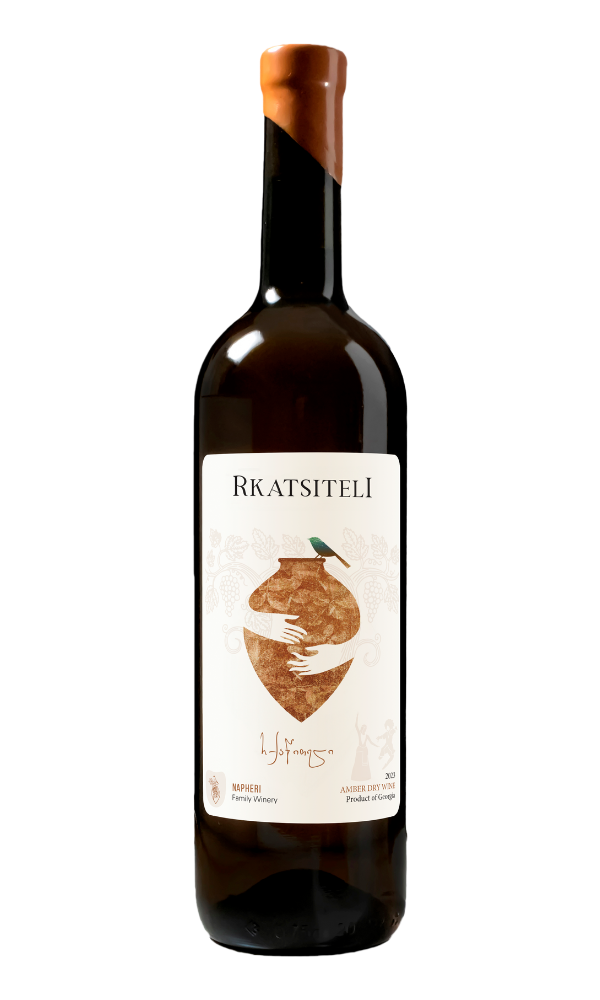
Rkatsiteli grapes were harvested from their Gurjanni vineyards on east and north-facing slopes in September. Fermented and aged with half of its skins for 3 months in Qvevris before being racked into ageing Qvevris until bottling in April. A golden amber colour with aromas of orange blossom, caramel, and grass. On the palate, there is this beautiful dance of honey, pineapple, lemon, spiced orange, and toastiness. Medium-bodied and round, with a balanced structure. Smooth texture and a long, lasting finish.
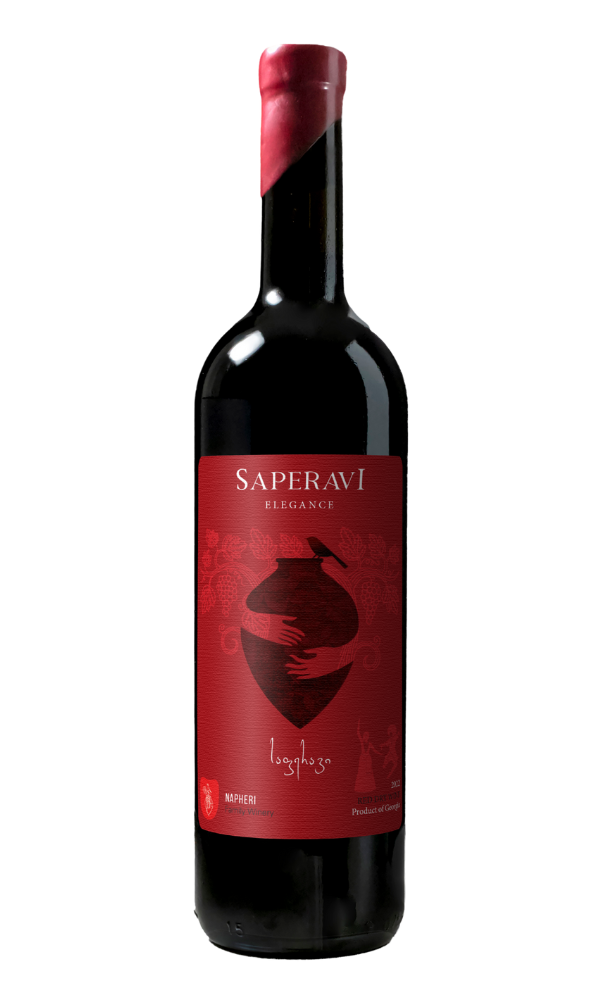
Fermented with its skins in Qvevris for 10 days before being pressed off and racked into ageing Qvevris. A deep opaque red colour with aromas of black fruit, eucalyptus, and chocolate. Pepper, plum and black currant come together on the palate with a subtle leather-like component. Full-bodied with a rich texture and a long finish. This is a remarkable testament to the Saperavi grape. Elegant, expressive, layered, and powerful.
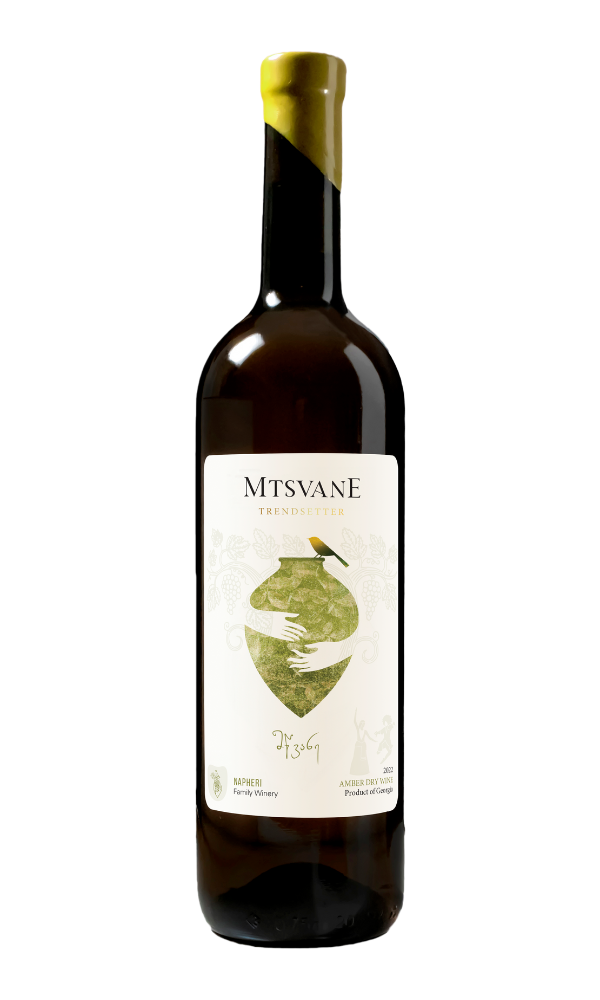
Mtsvane was harvested from the Akhmeta region in Kakheti, in September. Sourced from a friend, these vines are on east and south-facing slopes and are tended to organically without the use of synthetic interventions. This Mtsvane spent 3 months with 100% of its skins in Qvevris, before being racked to ageing Qvevris until bottling in April. A beautiful golden amber colour, with aromas of green tea, apricots, and spiced fruit. On the palate, this wine is full-bodied with a balance of structured tannins and mouth-watering acidity. Classic dried fruit and tea-like notes that come together with a smooth, creamy-like finish.
